You’re surrounded by concrete or aluminum with water running over your feet. The only sound is the muffled echo of cars overhead. It’s pitch-black except for a circle of light at either end.
“You just forget where you are. It’s like you’re in an alternate universe and nothing else exists,” says CARPC Environmental Engineer Prachi Mehendale. She is describing the experience of walking through a culvert—a tunnel-like structure that lets streams pass under roads.
Most of us drive over culverts every day without giving them a second thought. Prachi—along with CARPC staff members Melissa Michaud, Isaac Porter, and Kai Farrey—are the exception. They have spent the past two summers thinking a lot about culverts. In fact, they’ve visited 618 of them so far, taking dozens of measurements at each site to assess the condition of each one.
Culverts help ensure safe travel over stream networks, ideally without harming water quality or disturbing aquatic life. One of their most important jobs is preventing nearby roads from flooding by allowing water to pass through unobstructed. Properly designed culverts can accommodate everyday stream conditions without impeding fish passage, while also handling the high, fast flows caused by strong storms.
With more frequent and intense storms expected across Wisconsin in the coming decades, it’s vital to make sure our culverts are up to the task. To help communities understand the condition of their culverts and bridges, CARPC and Trout Unlimited (TU) have partnered to inventory stream crossings in Dane County—contributing to a broader statewide effort supported by the Wisconsin Department of Natural Resources.
This work is especially important to our team, since water is central to CARPC’s mission and reflects the agency’s founding Executive Order, which identified the need to “meet challenges that transcend municipal boundaries.” Put simply, what happens upstream affects what happens downstream, regardless of imaginary lines on a map. A key part of our water quality work is ensuring the region has resilient infrastructure that can protect both waterways and roadways long into the future.
Weird Culverts
Every culvert is a little different, designed to fit a specific stream and road. And then there are culverts that are just, well… weird. The “alternate universe” culvert Prachi walked through was one of the longest she encountered, stretching 120 feet—the same length as three school buses.
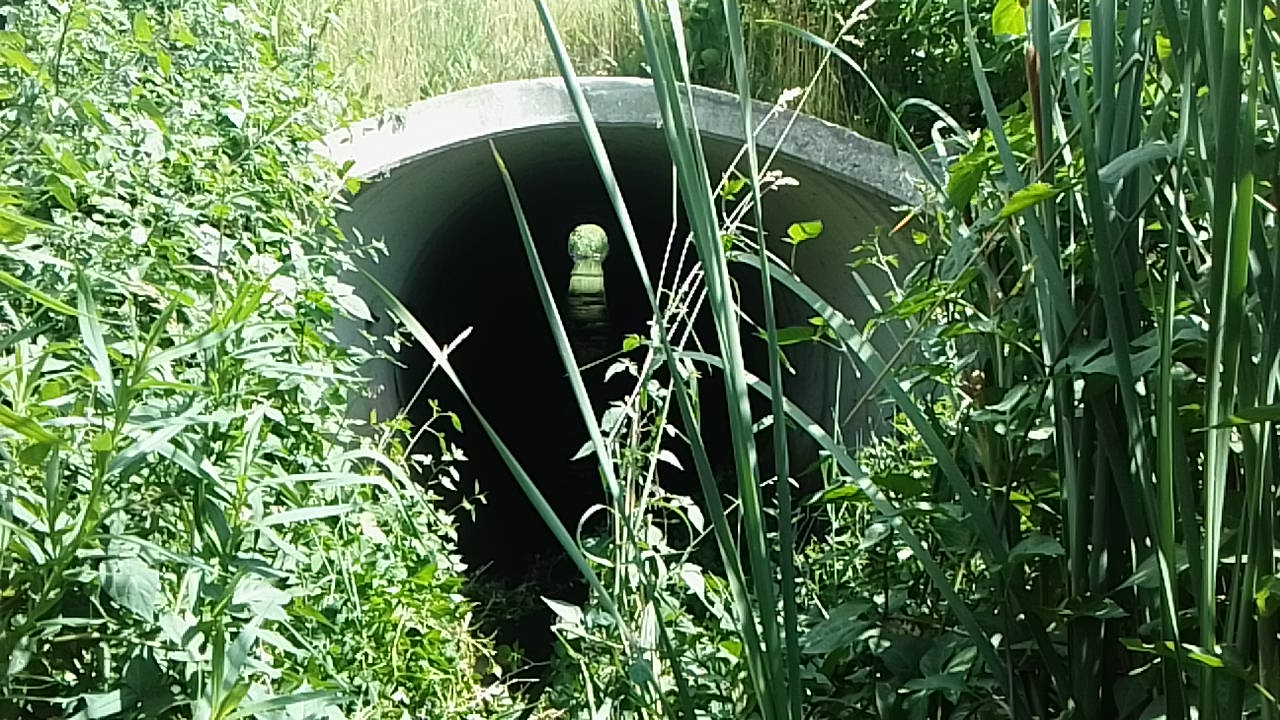
Walking through a culvert can be a peaceful, meditative experience. Other times, it’s a little creepy. Kai and Prachi encountered one that was so narrow they couldn’t stand up inside. After crawling a few feet through the claustrophobic, cobweb-filled tunnel, they decided to turn back and take the less eerie route, simply walking across the road to the other.
But creepiness wasn’t the only surprise. Some culverts are just plain confusing. Isaac recalls his surprise when he found a large double-culvert structure with no water—the stream was actually flowing into a third, smaller culvert off to the side. Another puzzling site was far too narrow for the stream, causing the water to speed through in a bubbling, roiling rush. The CARPC team found plenty of culverts that made them stop and ask: what’s with this design?
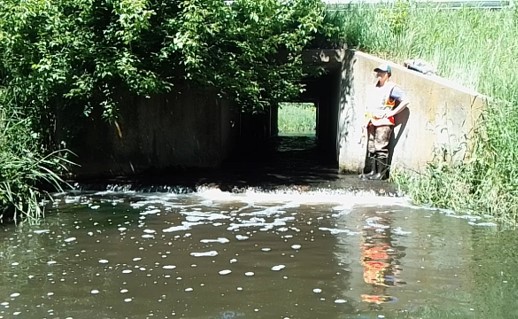
“We don’t always know why some of these culverts are so different from the others,” explains Melissa, an Environmental Resources Planner at CARPC. “It could be that they were designed using older standards, or that a replacement simply matched what was there before without studying the creek’s needs.”
“Often, communities are balancing many priorities and limited funding, which can make it difficult to take a closer look or invest in upgrades. That’s challenging, because drainage and flow patterns change, and ideally municipalities would have the resources to make informed, future-oriented investments.”
The primary goal of the inventory is to give town governments—who often have smaller staffs and limited resources—the information they need to prioritize culvert repairs. With this in mind, CARPC has focused much of its data collection in rural areas, where local governments may not have the capacity to assess every culvert and drainageway on their own.
After an inventory is completed, the results are shared with municipal staff in a report detailing the condition of each culvert, identifying priority repairs, and outlining recommended next steps. CARPC staff also offer support in identifying potential funding sources for repairs, an ongoing need local partners consistently highlight.
Leeches and Monarchs and Otters, Oh My!
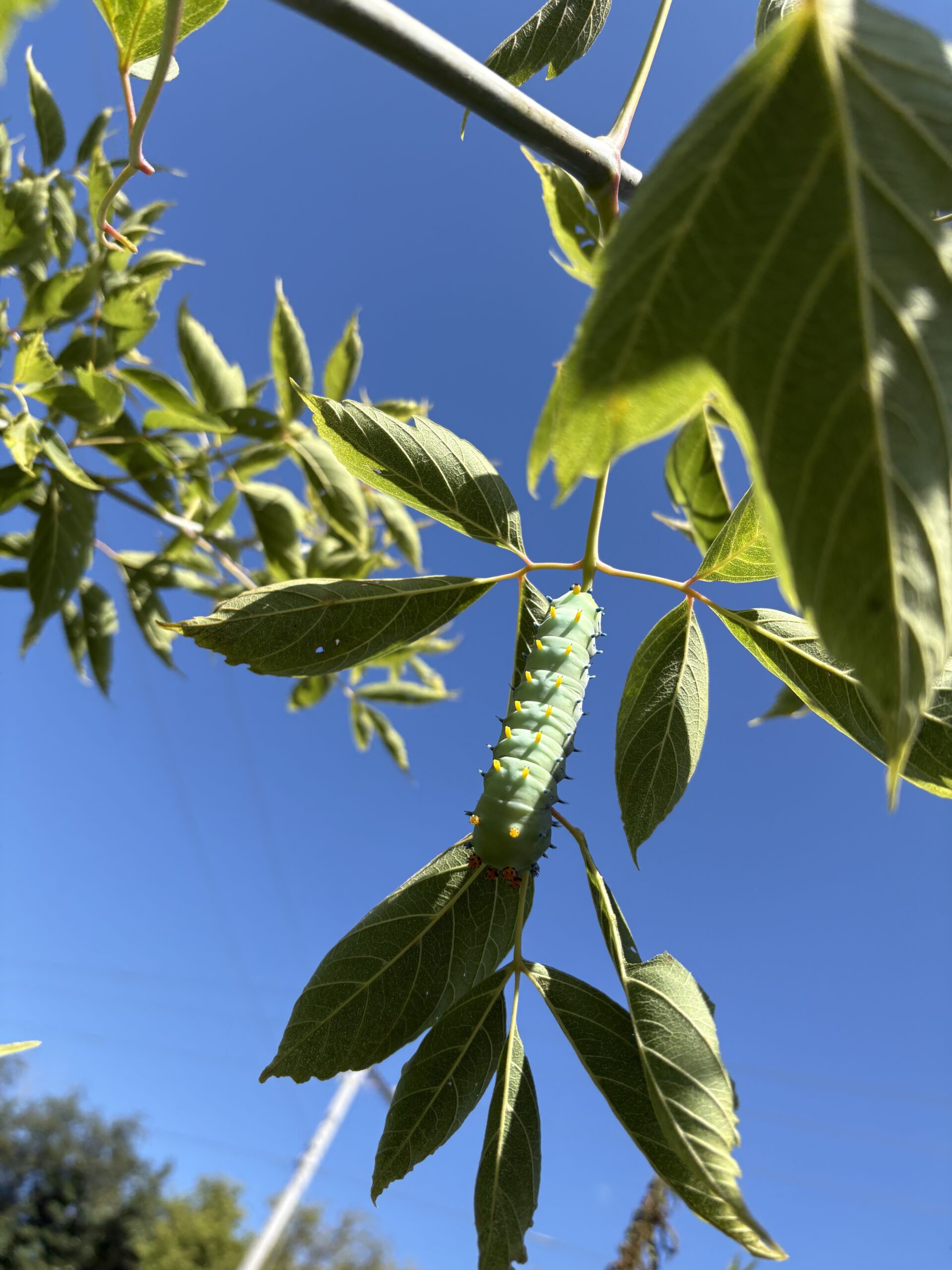
The CARPC and TU teams weren’t the only ones spending their summers by the water. They encountered plenty of interesting wildlife, including an unfortunate number of mosquitos, enormous spiders, dozens of ducks and geese, swallows nesting under bridges, elegant blue herons, giant spiky cecropia moth caterpillars, and a single leech which (thankfully) grabbed onto a piece of survey equipment instead of a person.
A highlight for Isaac was finding monarch caterpillars. He raised monarchs growing up but hadn’t had the opportunity to do so in many years. “I was like, ‘Oh my goodness, I could do this again!’ I took them home, raised them, and released them as butterflies. It was nostalgic and fun.”
But nothing could top the two special river otter sightings. “One was in the water,” Isaac recalls. “It had just rained, so there was a lot of water coming through, and the otter was playing and jumping. It was very cute. I’d never seen an otter in the wild.” On a separate occasion, Isaac spotted another otter that had climbed out of the water and was sprinting across the road by the time he came upon it.
Why did the otter cross the road? To get to the otter side!
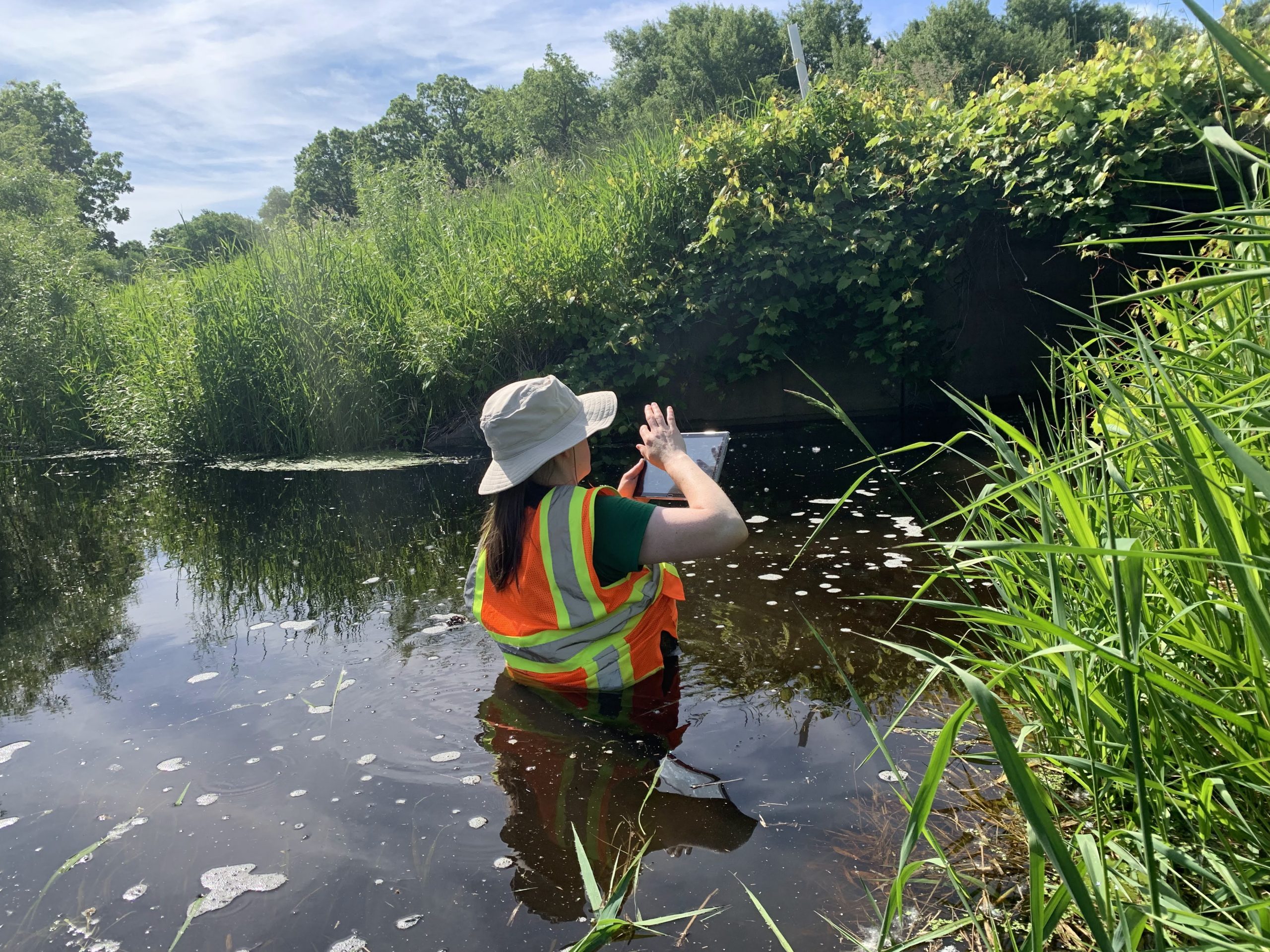
Besides assessing culverts and meeting wildlife, the team also gathered data from the streams. One task that could be particularly challenging was walking far enough away to see what the stream looked like unaffected by the culvert. In many streams, especially those that serve as drainage ditches, this meant trudging through rotten-smelling thigh-high muck. Wading was exhausting on hot summer days, especially while baking inside of rubbery waders.
Beyond assessing culverts and meeting wildlife, the team also gathered data from the streams themselves. One of the more challenging tasks was walking far enough away to see what a stream looked like unaffected by the culvert. In many cases, especially in streams that serve as drainage ditches, this meant trudging through thigh-high, rotten-smelling muck. Wading was exhausting on hot summer days, particularly while baking inside rubber waders.
“Last year, especially when I was pregnant, I was feeling the heat,” Melissa remembers. “It was kind of nice being in the water though because then things weren’t so heavy and it was easier to move around. Except for the muck…”
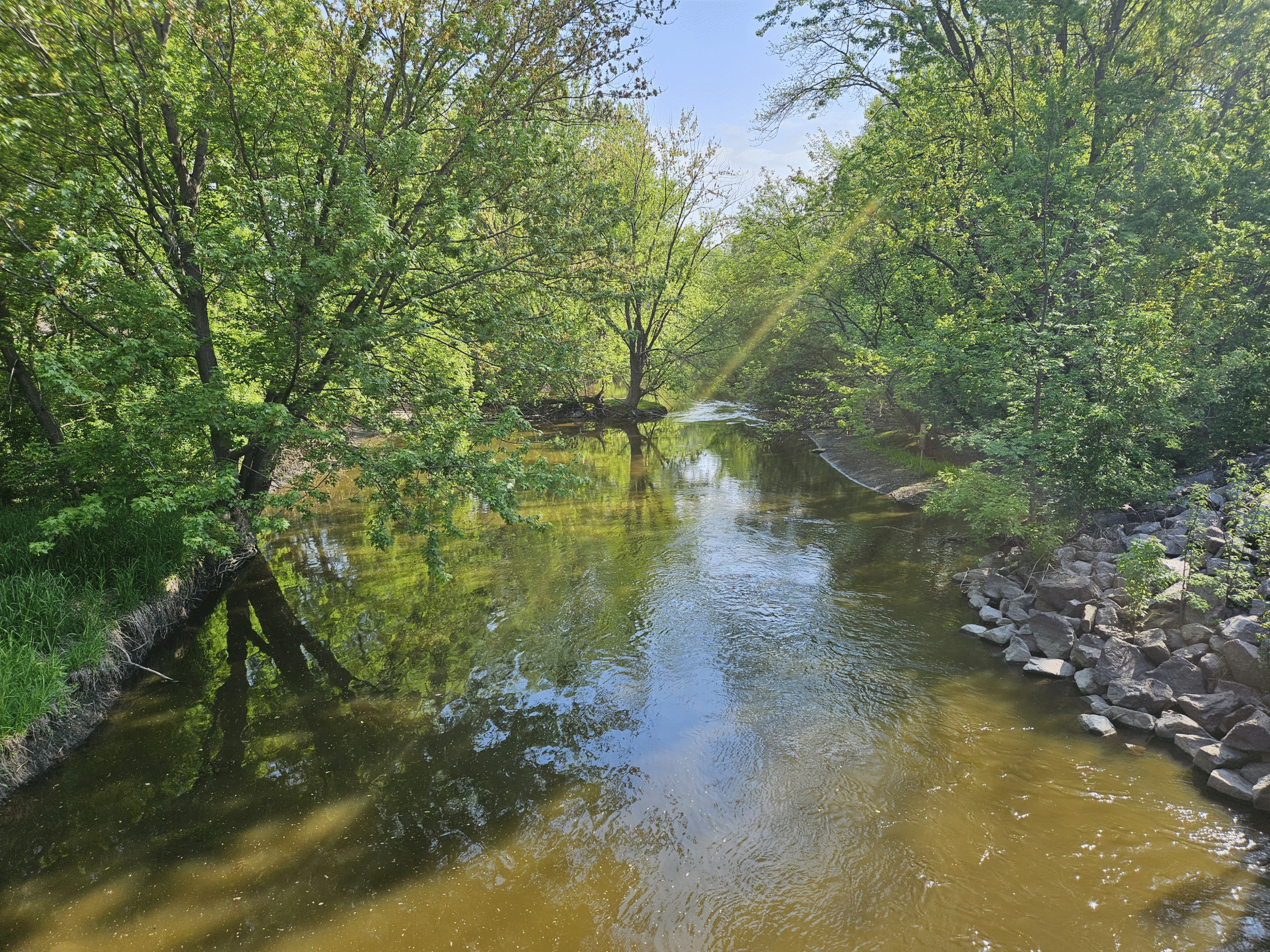
But some streams made all the hard work worth it. “When you’ve been walking around in cow manure and scrubbing muck off your waders for hours, it’s really nice to step into a clear, rocky-bottom trout stream,” Isaac says. There’s nothing like exploring one of these places. If you follow the sparkling water until the culvert disappears, you can almost believe there’s nothing beyond the tall green trees. Like going inside a culvert, traveling down a beautiful stream can transport you miraculously to a different world.
What’s Happening Next
CARPC staff will be back out this spring and summer, visiting a few more “weird” crossings as we wrap up data collection and revisit a handful of culverts. At the same time, we’ll continue turning field notes into reports that summarize what we found and what it means for local communities, and we’ll share those updates on our project website.
And, of course, there are always more culverts out there—quietly doing their jobs beneath our roads and occasionally reminding us how much there still is to learn just below the surface.